As urban living continues to rise in Southeast Asia (SEA), especially in bustling cities like Singapore, Bangkok, and Jakarta, the concept of small living spaces has become more prevalent. With limited square footage, maximizing your apartment’s functionality while ensuring it retains its modern charm can be a challenge. Enter smart home gadgets, the modern marvels designed to make your life easier, more efficient, and, let’s be honest, a touch cooler. In this post, we’ll explore some of the best smart home gadgets tailor-made for small apartments in Asia, keeping in mind the unique aspects of lifestyle, culture, and the growing need for space optimization.
Introduction: Why Smart Gadgets for Small Spaces?
Living in an apartment doesn’t mean compromising on comfort or technology. With smart home devices, you can make the most of your limited space, boosting comfort, security, and efficiency. Smart gadgets are particularly relevant in SEA because of the region’s rapid tech adoption and the increasing prevalence of IoT (Internet of Things) solutions. Whether you’re managing energy consumption, enhancing security, or simply adding convenience, there’s a smart gadget specifically designed for your needs.
Essential Smart Home Gadgets for Small Apartments
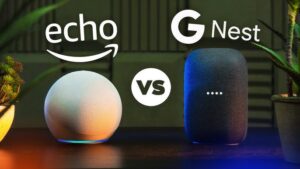
1. Smart Speakers: Google Nest Mini vs. Amazon Echo Dot
**Features:**
– **Google Nest Mini**: Compact design, voice assistant features powered by Google, and excellent sound quality for its size.
– **Amazon Echo Dot**: Similar voice assistant capabilities powered by Alexa, with distinct features like control over smart home devices and music streaming.
**Comparison:**
– **Audio Quality**: The Nest Mini has a slightly richer sound, while the Echo Dot dominates when paired with additional Amazon services.
– **Smart Home Integration**: Both devices offer compatibility, but the Echo Dot typically has broader support for various smart devices.
**Pros and Cons:**
– **Pros**: Hands-free control, entertainment options, and added convenience for everyday tasks.
– **Cons**: Privacy concerns associated with always-on microphones and occasional misunderstanding of commands.
**Practical Tip**: Consider which ecosystem (Google or Amazon) you prefer, as it will affect your compatibility with future smart devices.
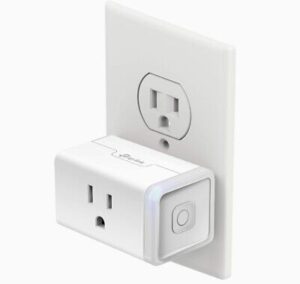
2. Smart Plugs: TP-Link Kasa vs. Xiaomi Mi Smart Plug
**Features:**
– **TP-Link Kasa**: Offers scheduling and energy monitoring features through its app.
– **Xiaomi Mi Smart Plug**: Compact and affordable, it allows remote control and voice activation through the Mi Home App.
**Comparison:**
– **Cost-Effectiveness**: The Xiaomi option tends to be less expensive, making it a popular choice in SEA markets.
– **Functionality**: Kasa offers more features like energy consumption tracking, which could help manage electricity bills effectively.
**Pros and Cons:**
– **Pros**: Easy to install, energy management, and added convenience to control non-smart devices through your smartphone.
– **Cons**: If your internet goes down, you may lose control of these plugs.
**Practical Tip**: Use smart plugs for devices like lamps or fans to optimize energy use based on your daily schedule without changing your routine.
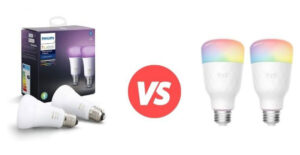
3. Smart Lighting: Philips Hue vs. Yeelight
**Features:**
– **Philips Hue**: A premium line of smart bulbs that offers extensive options for ambiance, including color-changing bulbs and smart dimming.
– **Yeelight**: Often more affordable, offering good color options and smart features that work well with other Mi Home devices.
**Comparison:**
– **Customization**: Philips Hue provides a greater range of light settings and automation, perfect for creating a home theater or a relaxing space after a long day.
– **Price**: Yeelight bulbs could be a better fit for smaller budgets without sacrificing quality.
**Pros and Cons:**
– **Pros**: Smart lighting can be personalized to fit moods or occasions. Energy-efficient options also help save on electricity in small spaces.
– **Cons**: Philips Hue requires a hub for full functionality, which could complicate the setup.
**Practical Tip**: Create vibrant themes for different parts of your day or even remotely control lighting for added security when you’re not home.
—
4. Smart Security Cameras: Wyze Cam vs. EZVIZ C3N
**Features:**
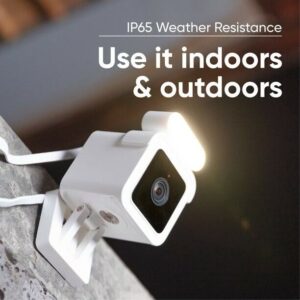
– **Wyze Cam**: Affordable indoor/outdoor security camera with 1080P video quality, motion detection, and local storage options.
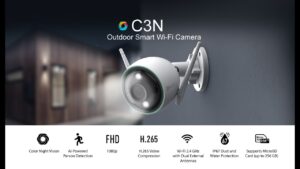
– **EZVIZ C3N**: A great outdoor solution with dual-lens color night vision, ideal for monitoring entrances.
**Comparison:**
– **Image Quality**: EZVIZ uses advanced optics for clearer night vision, ideal for high-traffic areas of your apartment building.
– **Cost**: Wyze cameras tend to be budget-friendly, perfect for renters looking for security without breaking the bank.
**Pros and Cons:**
– **Pros**: Peace of mind, real-time alerts, and monitoring your property while away.
– **Cons**: Limited data plans for cloud storage and regional connectivity issues for certain models.
**Practical Tip**: Select cameras that offer easy app management and integrate with other smart home devices for a cohesive security solution.
5. Smart Thermostats: Ecobee vs. Nest Learning Thermostat
**Features:**
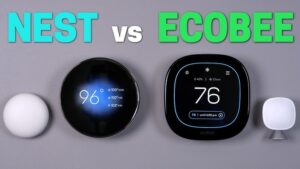
– **Ecobee**: Includes a room sensor technology that measures temperature and occupancy in individual rooms.
– **Nest Learning Thermostat**: Adapts to your behavior, thus optimizing your heating and cooling automatically.
**Comparison:**
– **Energy Modulation**: Ecobee offers superior customization for energy savings, which is crucial in the hot, humid climates of SEA.
– **Learning Capabilities**: Nest gets a slight edge for its intelligent learning capabilities over time.
**Pros and Cons:**
– **Pros**: Saves on energy bills, customizes the comfort of small spaces, and provides remote access.
– **Cons**: Higher initial investment and potential for connectivity issues in older apartments.
**Practical Tip**: If you’re looking for energy savings given the rising electricity costs in urban SEA, investing in a smart thermostat could yield long-term benefits.
Conclusion: Final Thoughts on Smart Living in SEA
Navigating the challenge of living in a small apartment can be daunting, but smart home gadgets provide innovative solutions tailored for our modern lifestyle. Whether you’re eager to automate your lighting with Philips Hue, enhance your security with smart cameras, or control your home’s temperature autonomously, there’s a gadget that fits your needs.
As you contemplate what to buy, think about your specific lifestyle needs, your apartment’s size, and your budget. When integrating smart technology into your space, you create not just a home, but an oasis of convenience that enhances living in one of Asia’s dynamic urban centers.
What smart gadgets have you added to your home? Have they made a difference? Feel free to share your thoughts and experiences or ask questions below! Your smart living journey is just the beginning, and we’re here to explore it with you.